
Dust Mite Problems
Dust Mite Control Tips
We get a lot of questions about dust mite control all the time, but especially in the colder months when people are indoors more. I also regrettably have too much experience fighting dust mites, since I myself have allergies to them. From that experience, I’ve learned there is no, one silver bullet for dust mite control, no one thing to do, but instead a whole long “to do” list.
My advice is to go down the list one item at a time until you are symptom free.
Dust mites can unfortunately live in most rooms in your house, be it your bedroom in pillows, comforters, mattresses, or other rooms in the carpets, upholstery and clothing.
So here is a synopsis of what I tell people on the telephone.
- First of all find out whether you have dust mites in your environment. If you live in place with high humidity, like the South it is highly likely that you have them. In the Northeast you might like to check out ahead of time, by using a dust mite test kit. If you use dust mite test kits you can also check out whether your efforts have been successful or whether you need to go further down the list.
- Dust mites tend to flourish in humidity levels of more than 50%, so reduce the humidity levels in your house using air conditioning and dehumidifiers. Using the two machines together will make you more comfortable and reduce the demand on both of them. You can use a simple hygrometer (like a thermometer) to monitor the humidity levels. In my house the humidity varies from 22% to 30%. I do not have a dust mite problem.
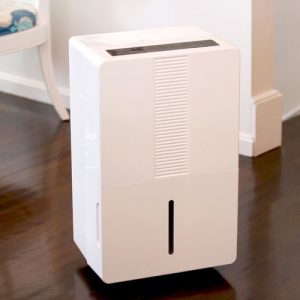
Pure & Dry Whisper 70-Pint Dehumidifier with Built-In Pump - Put dust mite covers and encasings on your pillows and mattress. This is the cheapest solution. Dust mite covers cut the mites off from their food source – your shedding skin flakes. Dust mites collect in your pillows; after a couple of years or so the dust mite droppings can account for up to 2 pounds of the pillow. The thought of burying your nose into millions of dust mites at night is quite frankly not exactly appealing!
- Dust mite droppings need to be vacuumed up with a HEPA vacuum cleaner. Even the dead dust mites cause an allergenic reaction. If you allow them to kick up into the air and not be vacuumed then they will cause you a problem. So sorry – you need to get out that vacuum cleaner!
- The next step in the program is to use a first class HEPA air purifier or air cleaner. Every time you walk around a room, it stirs up the settled dust mites into the air where you can inhale them. Inhaling those allergens can cause the respiratory problems you are trying to avoid.
- Maybe the best solution of all, is to use a vapor steam cleaner to kill dust mites every 8 weeks. Dust mites have an alarming habit of coming back- the eggs lie dormant for months on end. The intense heat of a steam cleaner kills living organisms. You can use the dry steam to kill dust mites in your mattresses, carpets, clothes, and upholstery.
- Then finally, retest using the dust mite test kits again. They will give you a good idea of how your anti-dust mite program is doing.
See our handy product comparison charts for air cleaners, vacuum cleaners and vapor steam cleaners at Allergybuyersclub.com
Related Posts


About The Author
